
Publications:61
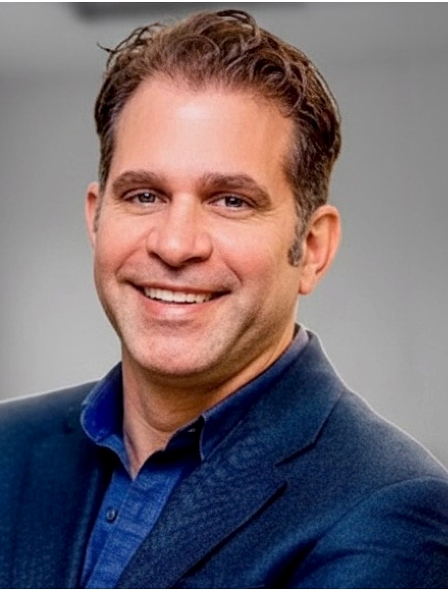
Lior Zangi, PhD
About Me
Dr. Lior Zangi holds the Chan Soon-Shiong Professorship in Cardiovascular Research and is Professor of Cardiology and Genetics & Genomic Sciences, with tenure, at the Icahn School of Medicine at Mount Sinai.
Language
English
Position
PROFESSOR | Medicine, Cardiology, PROFESSOR | Genetics and Genomic Sciences
Research Topics
Cardiovascular, Drug Design and Discovery, Gene Therapy, Nanotechnology, Regeneration
Multi-Disciplinary Training Areas
Development Regeneration and Stem Cells [DRS], Disease Mechanisms and Therapeutics (DMT), Genetics and Genomic Sciences [GGS]
Download the CVEducation
B.Sc.,, Hebrew University
M.Sc., Hebrew University Hadassah-Medical School
Ph.D., Weizmann Institute of Science
Awards
2025
11th Anniversary of the INV award (2025), for Excellence in Innovation.
INV award
2024
Endowed Chan Soon-Shiong Professorship in Cardiovascular Research
Icahn School of Medicine at Mount Sinai, New York, NY, USA
2017
Mount Sinai Faculty Idea Prize
Icahn School of Medicine at Mount Sinai, New York, NY, USA
Research
Dr. Lior Zangi’s training spans tissue engineering, immunology, and regenerative biology, including a PhD from the Weizmann Institute and postdoctoral research at Harvard University, where he first demonstrated the cardiac regenerative potential of modRNA in vivo.Over the past decade, Dr. Zangi and his team have optimized the preparation, delivery, and translational control of modRNA to enable safe, transient, and tissue-specific gene expression in vivo. They developed Selective modRNA Translation systems (SMRTs), which permit cell-type-selective translation in cardiomyocytes or non-cardiomyocytes, as well as in tumors. Using these platforms, they identified key regulators of cardiomyocyte proliferation, including Pkm2, CCND2, and Lin28, and demonstrated cardiac regeneration in mouse and large-animal models of ischemic injury. Their work further defined therapeutic targets such as mutant hFstl1, acid ceramidase (AC), Pip4k2c, and CCN5, revealing novel mechanisms involving cell-cycle activation, metabolic modulation, immune remodeling, cardiac protection, and antifibrotic signaling. They also applied modRNA-based reprogramming to promote vascular regeneration. In addition, they developed systemic cardiac- and cancer-targeted SMRTs to protect the heart from chemotherapy-induced cardiotoxicity and inhibit tumor growth, respectively.In 2025 and 2026, Dr. Zangi co-founded four MSIP-approved biotechnology companies (NovoVessel, SkinRNA, SeleRNA, and MitoGen-X) to translate modRNA platforms into therapies aimed at treating peripheral arterial disease, promoting skin regeneration and cardiac repair, and increasing mitochondrial density.
Publications
Selected Publications
- Optimization of Therapeutic modRNA Delivery to the Lung for Prevention of Pulmonary Fibrosis. Gayatri Mainkar, Magdalena M. Zak, Matteo Ghiringhelli, Jimeen Yoo, Matthew Adjmi, Keerat Kaur, Lior Zangi. Pharmaceutics
- Reprogramming the diseased liver: antioxidant-engineered mRNA nanoparticles as microenvironment modulators in MAFLD. Matteo Ghiringhelli, Lior Zangi. Immunometabolism (United States)
- Influenza hijacks myeloid cells to inflict type-I interferon-fueled damage in the heart. Jeffrey Downey, Ana Oliveira-Coelho, M. G. Kiss, Gabriel Laghlali, Alexander Leunig, Emir Radkevich, Laszlo Halasz, Martin Umali, Joana Ferreira da Silva, Madeline L. Eller, Matteo Gianeselli, Magdalena M. Żak, Haley E. Randolph, Gabriel Caumartin, Wolfram C. Poller, Henrike Janssen, Laura L. Koekkoek, Jamshid Abdul-Ghafar, Pacific Huynh, Darwin D’Souza, Vladimir Roudko, Sheqouia Nauta, Jazz Munitz, Xisheng Li, Thomas Rathner, Ziche Chen, Anh Phan, Abigail Glick, Katarzyna Cialowicz, Zhihong Chen, Seunghee Kim-Schulze, Seonghun Yoon, Matthias Nahrendorf, Susmita Sahoo, Miriam Merad, Adolfo García-Sastre, Cameron S. McAlpine, Gustav J. Strijkers, Viviana Simon, Rachel Brody, Saurabh Mehandru, Zahi A. Fayad, Benjamin P. Kleinstiver, Lior Zangi, Mandy M.T. van Leent, Michael Schotsaert, Filip K. Swirski. Immunity
Industry Relationships
Physicians and scientists on the faculty of the Icahn School of Medicine at Mount Sinai often interact with pharmaceutical, device, biotechnology companies, and other outside entities to improve patient care, develop new therapies and achieve scientific breakthroughs. In order to promote an ethical and transparent environment for conducting research, providing clinical care and teaching, Mount Sinai requires that salaried faculty inform the School of their outside financial relationships.
Below are financial relationships with industry reported by Dr. Zangi during 2025 and/or 2026. Please note that this information may differ from information posted on corporate sites due to timing or classification differences.
Board Service
- Skinrna LLC
- Novo Vessel Inc.
- Selerna LLC
Consulting or Other Professional Services
Examples include, but are not limited to, committee participation, data safety monitoring board (DSMB) membership- Skinrna LLC
- Novo Vessel Inc.
- Selerna LLC
Equity
(Stock or stock options valued at greater than 5% ownership of a publicly traded company or equity of any value in a privately held company)- Skinrna LLC
- Novo Vessel Inc.
- Selerna LLC
Founder/Co-Founder/Partner
- Skinrna LLC
- Novo Vessel Inc.
- Selerna LLC
Mount Sinai’s faculty policies relating to faculty collaboration with industry are posted on our website. Patients may wish to ask their physician about the activities they perform for companies.