
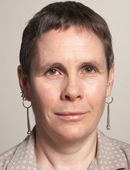
Ruth H Walker, MD, PhD
About Me
Dr Ruth H. Walker received her medical degree from the University of Edinburgh in 1985 and her PhD on basal ganglia anatomy from the same institution in 1992. She completed her residency in neurology at NYU and her fellowship in movement disorders at Mount Sinai.
Since 1999 she has been on staff at the James J. Peters Veterans Affairs Medical Center in the Bronx, where she is Director of the Movement Disorders Clinic. She is board-certified in neurology.
Dr. Walker's clinical and research interests involve the neuroanatomy of the basal ganglia; the structures which are affected by neurological diseases such as Parkinson's disease, dystonia, tics and tremors. In addition to diagnosing and treating patients with these disorders, she specializes in those affected by involuntary movements known as chorea, seen in disorders such as Huntington's disease.
She has particular expertise in diagnosing and treating the very rare types of chorea known as neuroacanthocytosis, which includes chorea-acanthocytosis and McLeod's syndrome.
Dr. Walker is recognized as an international authority on these disorders, has authored many articles, and edited the first-ever book focused solely upon chorea, which was published by Oxford University Press in 2011.
Dr. Walker lectures nationally and internationally on these topics and regularly gives courses on chorea and other hyperkinetic movement disorders at the annual meetings of the American Academy of Neurology and the Movement Disorder Society.
Language
English
Position
PROFESSOR | Neurology
Education
M.D., University of Edinburgh
Ph.D., University of Edinburgh
, Manhattan VA Hospital
, New York University School of Medicine
, The Mount Sinai Medical Center
Research
Red cell membrane abnormalities in chorea-acanthocytosis and other neurological disorders
Genetics of movement disorders
Industry Relationships
Physicians and scientists on the faculty of the Icahn School of Medicine at Mount Sinai often interact with pharmaceutical, device, biotechnology companies, and other outside entities to improve patient care, develop new therapies and achieve scientific breakthroughs. In order to promote an ethical and transparent environment for conducting research, providing clinical care and teaching, Mount Sinai requires that salaried faculty inform the School of their outside financial relationships.
Below are financial relationships with industry reported by Dr. Walker during 2025 and/or 2026. Please note that this information may differ from information posted on corporate sites due to timing or classification differences.
Consulting or Other Professional Services
Examples include, but are not limited to, committee participation, data safety monitoring board (DSMB) membership- Teladoc, Inc.
Mount Sinai’s faculty policies relating to faculty collaboration with industry are posted on our website. Patients may wish to ask their physician about the activities they perform for companies.